
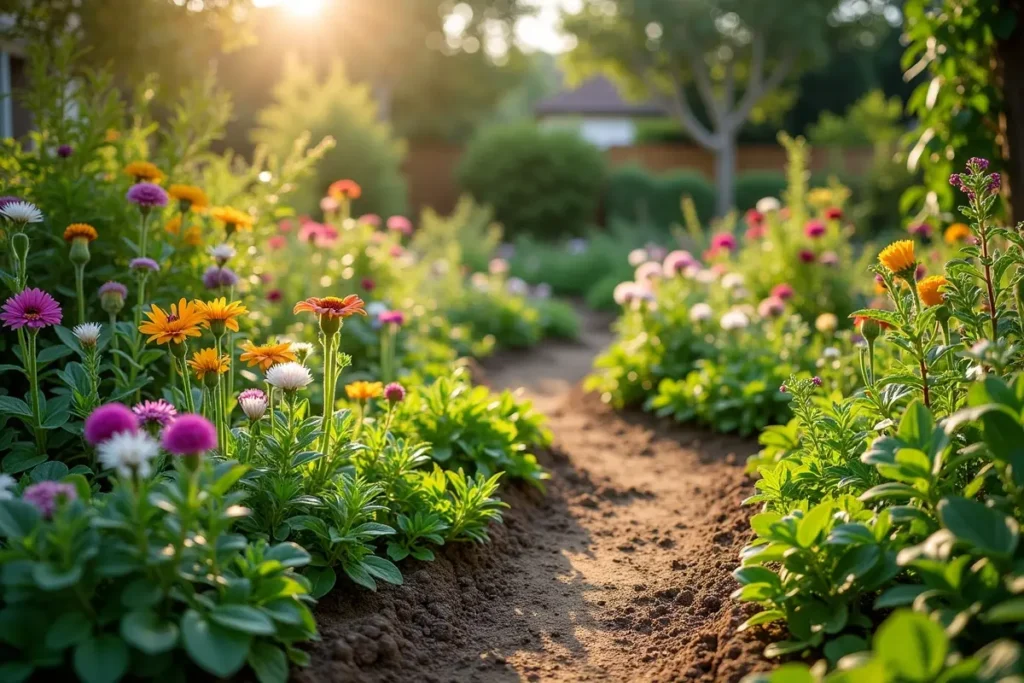
Sustainable Plant Choices for Every Garden
Designing a sustainable garden extends beyond creating a beautiful space—it’s about cultivating a landscape that works in harmony with the environment. Thoughtful plant selection can dramatically reduce maintenance, conserve water, and create a haven for local wildlife. By choosing the right plants, you not only nurture a resilient garden but also contribute to ecological balance in your neighborhood. Start your journey toward sustainable gardening at your local garden center, where expert advice and native plant selections can help you make environmentally savvy choices.
Every climate and ecosystem has plants that are ideally suited for sustainability. Whether you’re a seasoned gardener or just starting, making sustainable choices helps ensure long-term success while minimizing negative environmental impacts. Mindful plant choices also support biodiversity, reduce dependence on chemical interventions, and foster vibrant, living landscapes that thrive year after year.
Native plants anchor the sustainable garden movement because they have naturally adapted to local weather and soil, requiring less water and maintenance. Along with water-wise selections and pollinator-friendly blooms, sustainable gardens embrace diversity and resilience—benefiting both the gardener and the larger ecosystem. Exploring your options at a local garden center provides access to regionally appropriate plants and personalized support for your eco-friendly journey.
Adopting sustainable gardening practices does not mean compromising on style or color. From cheerful perennials to robust soil-building species, every choice contributes both beauty and ecological value. Here’s how you can build a sustainable garden for every yard, climate, and design taste.
Embrace Native Plants
Native plants naturally thrive in the climate, rainfall patterns, and soil types of your region. By incorporating species like echinacea, milkweed, or black-eyed Susan, you reduce the need for supplemental watering and fertilizers. Native plants also provide essential food and shelter for birds, butterflies, and bees, enhancing local biodiversity. When you choose natives, you help restore natural ecosystems and ensure your garden supports resilient, self-sustaining wildlife populations. For a comprehensive guide on native plants and their benefits, visit National Geographic.
Opt for Perennials Over Annuals
Unlike annuals that must be replanted every year, perennials persist through the seasons, coming back stronger each spring. Their deep and extensive root systems not only help stabilize soil but also reach deeper water reserves, decreasing the need for frequent irrigation. Garden staples like coneflowers, sedum, and butterfly weed provide long-lasting color, structure, and support for wildlife, making them invaluable in a sustainable garden. Over time, perennials create lush, easy-to-maintain landscapes that reduce both cost and effort.
Incorporate Drought-Tolerant Species
Integrating drought-tolerant plants—such as lavender, Russian sage, or native grasses—into your landscape is a cornerstone of sustainable gardening in areas affected by water shortages. These plants have evolved to thrive with minimal water, thanks to adaptations like succulent leaves or deep roots. Popular drought-tolerant choices include rosemary, thyme, yucca, and agave, each contributing texture and interest. By grouping these tough plants, you further reduce water waste and support reliable, low-maintenance growth.
Support Pollinators with Flowering Plants
Healthy ecosystems depend on pollinators. Fill your yard with a variety of flowering plants to ensure seasonal blooms from early spring through late fall. Plants like bee balm, goldenrod, and sunflowers serve as critical food sources for bees, butterflies, and hummingbirds. Layering colors and heights creates diverse habitats, while minimizing or eliminating the use of chemical pesticides ensures that pollinators remain safe. For more ideas on supporting pollinators in your garden, check out Audubon’s guide to bee-friendly gardening.
Enhance Soil Health with Beneficial Plants
Soil health is the foundation of a thriving garden. Some plants, such as clover, lupine, and peas, fix atmospheric nitrogen in the soil, providing a natural fertilizer for neighboring plants. Deep-rooted options like borage and comfrey bring nutrients to the surface, while “green manures” and cover crops protect soil from erosion and add organic matter. Harnessing the power of these beneficial plants makes your soil resilient, reducing the need for synthetic amendments and promoting a living, thriving ecosystem underground.
Consider Fire-Resistant Landscaping
In areas prone to wildfire, well-chosen fire-resistant plants strengthen your landscape’s defenses. Succulents, ice plant, and certain native perennials have high moisture content and are slower to ignite. Mulching with gravel, adding flagstone paths, and creating plant islands all help to break up continuous fuel sources and support defensible space. Taking these precautions benefits both your home’s safety and the broader landscape, a point increasingly emphasized by environmental specialists and fire safety organizations.
Implement Companion Planting
Companion planting fosters symbiosis and promotes natural pest control in your garden. Interplanting marigolds among tomatoes helps deter pests like nematodes and whiteflies. Garlic planted near roses repels aphids, while basil boosts the vigor and flavor of tomatoes. These careful pairings reduce chemical pesticide use, enhance plant health, and create a vibrant, interdependent ecosystem where every plant plays a natural role in the garden’s success.
Conclusion
Creating a sustainable garden is an ongoing process that starts with informed choices. By prioritizing native species, hardy perennials, drought-tolerant selections, pollinator-friendly blooms, soil-enriching plants, fire-resistant landscaping, and synergistic companion plantings, you’ll cultivate a landscape that flourishes with minimal input and maximum ecological benefit. Embracing sustainability is not only a gift to the environment—it’s an investment in a lively, beautiful garden that lasts for generations.
About Author
