
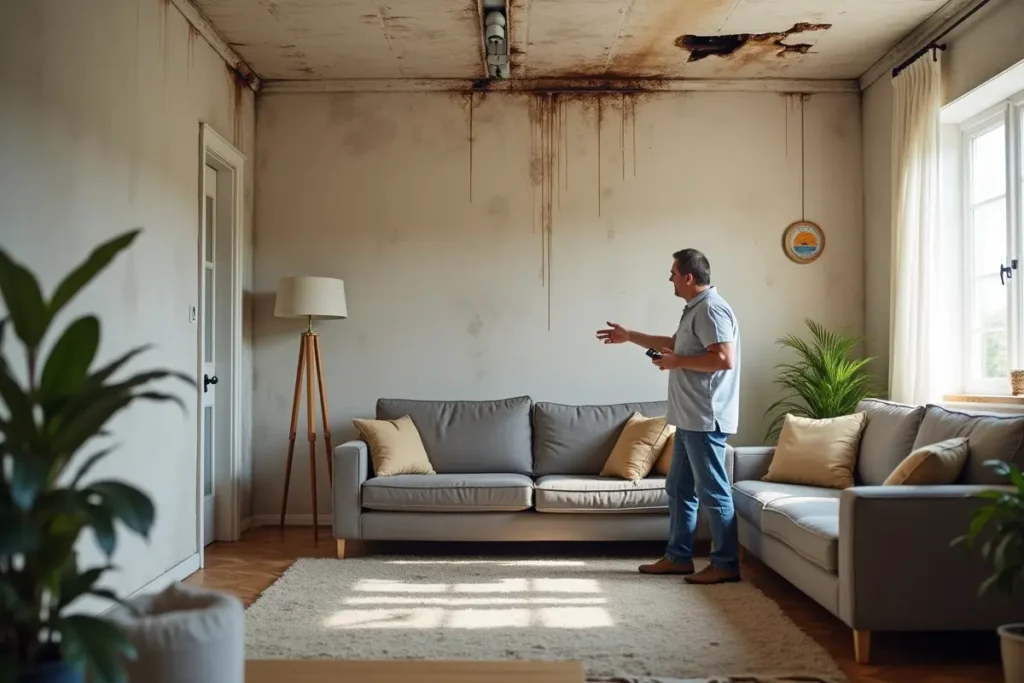
Common Causes and Prevention of Water Damage in Homes
Water damage is an issue many homeowners encounter at some point, often resulting in structural concerns and health risks. Factors such as leaks, appliance failures, and adverse weather can make it difficult to keep a home safe from excess water. Homeowners who educate themselves on common causes of water damage and adopt effective prevention strategies greatly reduce their risk of expensive repairs and long-term problems.
Protecting your property begins with understanding how water can infiltrate your home and cause hidden or obvious destruction. Early action and consistent upkeep are essential for avoiding both sudden catastrophes and slow, unnoticed deterioration. By taking key preventive steps, you not only maintain your home’s value but also safeguard the well-being of everyone living in it.
Water intrusion may not always be obvious. Sometimes it occurs through gradual leaks or malfunctioning household systems, becoming apparent only after significant damage. Regularly checking your home for early warning signs of water damage can help you act before the situation escalates. Investing in waterproofing measures and modernizing aging fixtures will also add a layer of security against future water threats.
In addition to protecting against indoor water leaks, homeowners should consider the risks posed by severe weather and natural disasters. Allocating time and resources to maintenance and storm-resistance measures can make a meaningful difference during unpredictable weather events. If you experience storm-related problems, knowing how to access storm damage restoration services will provide reassurance and help your household recover quickly.
Plumbing Leaks
Leaking or burst pipes are among the most frequent causes of residential water damage. Pipes may begin to fail because of corrosion over time, rising pressure, poor installation, or temperature fluctuations. According to Consumer Reports, even minor leaks can cost thousands of dollars in repairs and waste thousands of gallons of water annually.
Homeowners should conduct periodic inspections, paying close attention to damp spots, unusual sounds, and spikes in utility bills. Immediate repairs, proper pipe insulation, and replacing aging plumbing materials are all critical steps in protecting your home from leaks.
Appliance Malfunctions
Household appliances are convenient, but when machines like washing machines, dishwashers, or hot water heaters malfunction, the resulting leaks can cause water to pool rapidly. Appliance hoses and valves degrade over time, making regular checks and timely replacements an essential part of household maintenance.
For added peace of mind, homeowners should consider replacing older rubber hoses with more durable braided stainless steel models, which are less likely to rupture and flood their living space. Ensuring appliances are level and properly installed can also reduce the risk of leaks and overflows.
Roof Damage
Your roof plays a major role in keeping water out of your home. Problems such as damaged or missing shingles, cracked flashing, or debris-filled gutters can lead to leaks during rainstorms or snowmelt. Left unchecked, these issues may escalate, leading to hidden moisture buildup, ceiling stains, or even mold growth in attics and upper floors.
According to Wirecutter from The New York Times, regular roof and gutter inspections, especially after extreme weather, are vital for catching and addressing small problems before they grow into bigger ones. Simple tasks such as clearing gutters of leaves and checking for missing shingles go a long way toward preventing moisture intrusion.
HVAC Issues
Heating, ventilation, and air conditioning systems can also cause water damage without proper maintenance. Condensate drain lines can clog with dust or algae, causing water to back up and leak into surrounding floors or walls.
In some cases, malfunctioning HVAC equipment can lead to continuous leaks or humidification issues, which can promote mold growth. Scheduling professional maintenance checks, replacing filters, and ensuring condensate pans and drains are clear can help prevent moisture buildup that could affect your home’s structure or indoor air quality.
Foundation Cracks
Even minor cracks in your foundation can allow water to seep into basements or crawl spaces. Over time, this leads not only to structural deterioration but also to an environment conducive to mold and mildew. Preventing water from pooling near your foundation is essential.
Strategies include grading the landscape to direct water away from the home, installing proper downspout extensions, and sealing visible cracks as soon as they appear. If persistent leaks or dampness remain despite your efforts, consulting a specialist for further evaluation is a wise precaution.
Preventive Measures
Homeowners can take proactive steps to reduce water damage: inspect plumbing and appliances annually for leaks, maintain roofs and gutters, keep HVAC systems in check, ensure soil slopes away from the foundation, and install leak detectors in high-risk areas. Regular maintenance and modern detection tech help prevent major issues, saving repair time and ensuring a safe, healthy home.
Conclusion
Water damage can stem from a variety of sources, but many of the most common causes are preventable with routine inspections and timely maintenance. By staying proactive with plumbing, appliances, roofing, HVAC systems, and your home’s foundation, you can significantly reduce the risk of costly repairs and long-term structural issues. Investing in preventive care today helps safeguard your property, preserve its value, and provide a safer, healthier living environment for years to come.