
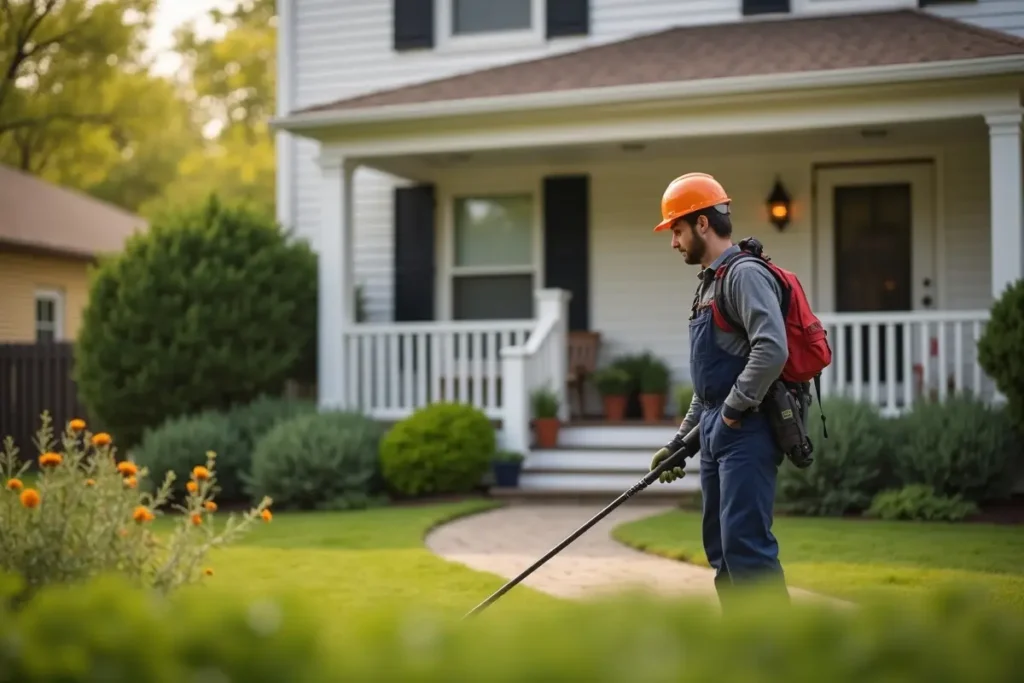
Safe and Sustainable Pest Control for Indianapolis Homes
Indianapolis is a city known for its welcoming neighborhoods, vibrant parks, and diverse seasons. Residents take pride in their homes, but the region’s changing climate and urban-rural mix create challenges when it comes to keeping pests at bay. Maintaining a pest-free home is crucial for the health and comfort of your family.
However, many homeowners are wary of traditional pest control methods that rely on chemicals, which can present dangers to people, pets, and local ecosystems. Fortunately, safe and sustainable pest control is achievable through methods tailored to Indianapolis’s unique environment and community priorities. Homeowners looking for professional advice and services can explore pointepestcontrol.net for eco-conscious pest management solutions.
By choosing non-chemical, environmentally safe alternatives, you contribute to a more sustainable Indianapolis while effectively safeguarding your home and family from invasive pests.
Understanding Common Household Pests in Indianapolis
The fluctuating temperatures and blossoming green spaces in Indianapolis attract a variety of household pests. Each pest comes with its own set of challenges, and knowing what to look for is the first step in defense:
- Ants: Particularly active in kitchens and bathrooms, ants seek food and moisture. Their presence can escalate rapidly from a few scouts to an entire colony indoors.
- Rodents: Mice and rats are adept at finding their way inside, especially as temperatures drop. Besides chewing wires and insulation, they can spread germs throughout the home.
- Spiders: While most spiders are harmless, Indianapolis is home to a few species that can be of concern. Spiders often indicate an abundance of other insects inside.
- Termites: These pests are silent destroyers, feeding on wood and risking the structural stability of your property.
Learning to spot signs of these pests helps you act quickly before a minor annoyance becomes a significant issue. The Indiana Department of Environmental Management offers a helpful overview for identifying common household pests and understanding their seasonality. More information can be found on their Pests & Pesticides page.
Eco-Friendly Pest Control Methods
Integrated Pest Management (IPM)
Integrated Pest Management (IPM) is an approach that focuses on tackling pests using a blend of sustainable techniques. Rather than immediately turning to sprays or poisons, IPM involves several targeted steps:
- Inspection and Monitoring: Routine checks for signs of pests, such as droppings or chewed materials, allow you to catch infestations early key for Indianapolis homeowners dealing with seasonal pest surges.
- Prevention: Preventive measures like sealing entry points, maintaining yard cleanliness, and fixing drippy faucets are especially important due to the region’s frequent rainfall and lush vegetation.
- Control Methods: When intervention is needed, IPM prioritizes safer tools like physical traps, barriers, and targeted natural solutions rather than broad-spectrum chemicals.
IPM helps minimize chemical use, which is better for the long-term health of your family and the Indianapolis environment. Additional guidance on IPM can be found on the EPA’s Integrated Pest Management resource page.
Natural Repellents
Many household items and natural products work effectively to repel pests. For example, peppermint oil is disliked by ants and spiders, and a small amount on a cotton ball near entry points can make a noticeable difference. Diatomaceous earth, a finely powdered substance derived from fossilized aquatic organisms, can be used to target crawling insects such as bed bugs, fleas, and cockroaches in attic spaces and along baseboards. These remedies are safe for children and pets, provided you follow all safety directions.
Biological Control
Homeowners in Indianapolis with gardens or green spaces may benefit from introducing natural predators that target pest populations. Ladybugs, for instance, are excellent at keeping aphid numbers down, while certain types of nematodes target soil-dwelling pests. By fostering a balanced ecosystem, you minimize the need for chemical treatments and help boost the health of Indianapolis’s urban and suburban habitats.
Benefits of Sustainable Pest Management
Sustainable pest control strategies are becoming increasingly popular in Indianapolis due to a wide range of benefits:
- Health Safety: Reducing chemical use means fewer toxins in your living environment, creating safer conditions for everyone in your home.
- Environmental Protection: Sustainable methods support Indianapolis’s green initiatives and help preserve beneficial insects and wildlife.
- Cost-Effectiveness: Proactive approaches such as regular maintenance and barrier sealing can save hundreds of dollars in pest-related repair costs.
When to Seek Professional Help
While many eco-friendly pest control techniques are suitable for do-it-yourself enthusiasts, some situations require the knowledge and equipment of a licensed pest management professional. For example, if you discover ongoing termite damage or a widespread rodent infestation that traps and baits cannot contain, it is best to contact an experienced local expert. Professionals understand the specific pest pressures of the Indianapolis climate and can provide safe, targeted treatments that prioritize your health and the planet’s well-being.
Conclusion
Combating pests in Indianapolis does not have to mean harsh chemicals or compromising the safety of your loved ones. With a growing awareness of sustainable solutions, residents can now embrace a variety of techniques that are safe, effective, and environmentally responsible. By practicing good maintenance habits, utilizing natural deterrents, and choosing professional guidance when needed, you can enjoy a healthy, pest-free home year-round, while also supporting Indianapolis’s broader environmental goals.