
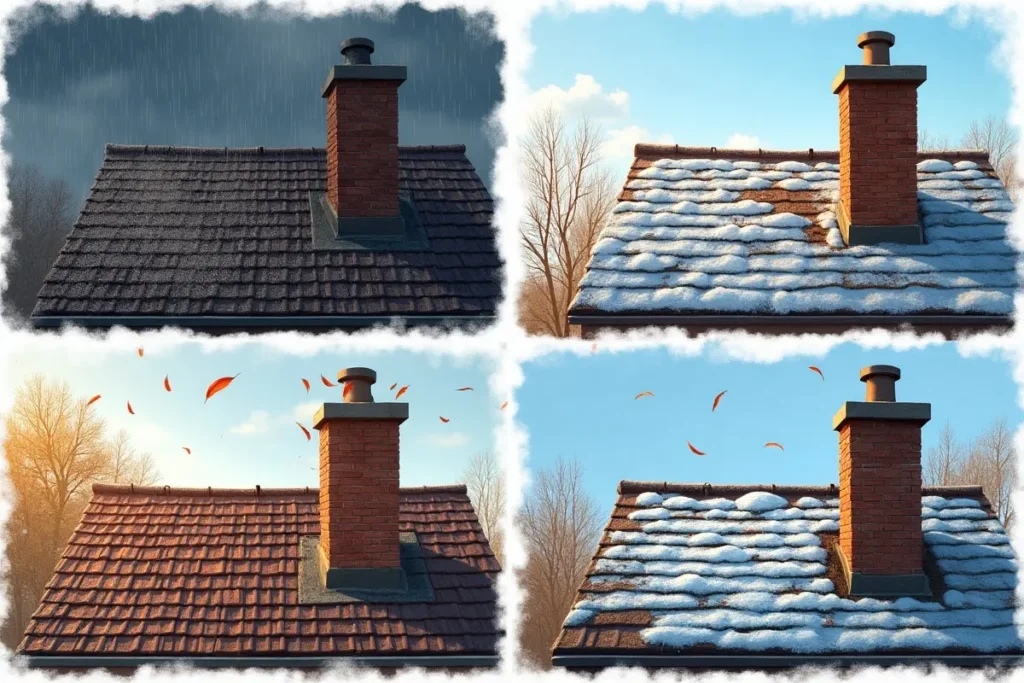
How Weather Conditions Impact the Lifespan of Your Roof
Understanding the influence of various weather patterns on your roofing system is essential for homeowners who want to protect their investment over the long term. Climates can change rapidly and drastically, and the combination of heat, rain, wind, and freezing conditions creates ongoing stress on roofing materials. If you are researching factors that affect your roof’s longevity, working with a trusted roofing company is one of the first steps toward preventing costly roof issues in the future.
No matter where you live, your roof is your home’s first line of defense against the elements. From the deep heat of summer to the bitter cold of winter, understanding these effects can help you prioritize regular care and select the right materials to maximize your roof’s durability and safety.
Different weather exposures put unique stress on everything from shingles to underlayment and flashing. Homeowners who recognize these threats early can address minor issues before they become costly repairs, ensuring the roof’s structure remains sound over time.
It’s not only the roof that endures the impact of weather. Structural components like siding are also subject to climate wear, highlighting the need for a holistic approach to exterior home maintenance and weatherproofing.
Temperature Fluctuations and Thermal Expansion
Temperature shifts, especially extreme or sudden ones, challenge the resilience of roofing systems. As temperatures rise and fall throughout the year, roofing materials naturally expand and contract. This ongoing movement may lead to surface cracks, shingle warping, or loose flashing.
Over time, what starts as a minor issue can contribute to leaks, ice dams, or significant damage that undermines the entire roof structure. Research confirmed by the Family Handyman shows that repeated freeze-and-thaw cycles are among the most destructive natural forces on asphalt, wood, and metal roofs.
UV Exposure and Material Degradation
Ultraviolet radiation is an often-overlooked factor that steadily erodes the integrity of roofing materials. Persistent sun exposure causes shingle binders and protective coatings to break down, leaving the roofing membrane brittle and susceptible to surface granule loss.
In regions with intense sunlight, roofs may need to be replaced more frequently, especially if made with materials not designed to resist UV degradation. This accelerated weathering often leads to prematurely aged, curled, or missing shingles and an overall decline in roof protection.
Impact of Rain and Snow
Excess moisture poses some of the greatest threats to roof durability. Heavy or repeated rainfall exposes worn areas and enables water to seep into small cracks or under shingles, leading to rot, mold, and long-term structural damage.
In colder climates, accumulated snow, when melted and refrozen, often creates ice dams near the roof’s edge. These dams block drainage, sometimes forcing water beneath shingles, which can cause leaks in attics or ceilings. Homeowners can minimize these risks by ensuring that gutters are cleaned regularly and attic ventilation remains adequate, as reported by The New York Times.
Wind Damage and Structural Integrity
High winds can lift shingles or, in extreme cases, tear them completely from the roof deck. This opens gaps where moisture can penetrate, often going undetected until stains or leaks appear inside the home. Loose nails, deteriorated sealants, and lifted flashing are all consequences of repeated wind exposure. Planning for proper installation and using reinforced fasteners can help protect against these challenges, especially in storm-prone areas.
Maintenance Strategies to Combat Weather Effects
Consistent inspections and proactive care are often the best defense against ongoing weather-related damage. Homeowners should inspect their roof at least twice a year, ideally in spring and fall, to identify issues such as damaged shingles, clogged gutters, or failing seals.
Small repairs, like replacing worn flashing or resealing vents, can prevent more expensive issues later. Additionally, trimming nearby trees and ensuring unobstructed drainage can reduce debris buildup and the additional weight that can accelerate shingle wear.
Choosing Weather-Resistant Roofing Materials
Homeowners who invest in materials suited to their region’s climate often enjoy longer roof life and fewer repairs. For example, metal shingles or panels excel in hot, sunny environments because they reflect heat. Architectural asphalt shingles are a smart, budget-friendly option in areas with frequent rainfall, thanks to their water-resistance and flexibility.
Clay or slate tiles, while heavier, withstand severe temperature fluctuations and strong winds when professionally installed. It is important to consult with experts to match your preferred style with proven climate performance.
Regional Considerations for Roof Longevity
Just as hurricanes in coastal regions differ from hail in the Midwest, local weather patterns demand tailored roofing solutions. Homeowners should be aware of their region’s unique seasonal dangers: high heat in the South quickly degrades organic shingles, while ice in northern states can cause poorly sealed edges to fail.
Consulting with regional professionals and prioritizing materials tested for local performance can help avoid surprise failures and maximize your investment over the long haul.
Conclusion
Weather patterns create distinct pressures on every roof, from relentless sun and sweltering summers to harsh winds or icy winters. By understanding these factors and implementing preventative strategies such as timely inspections, regular maintenance, and the use of climate-appropriate roofing materials, homeowners can protect their roof’s integrity for decades.
Proactive care is vital, and selecting both roofing products and contractors who understand your region’s specific challenges will help safeguard your home for generations.