
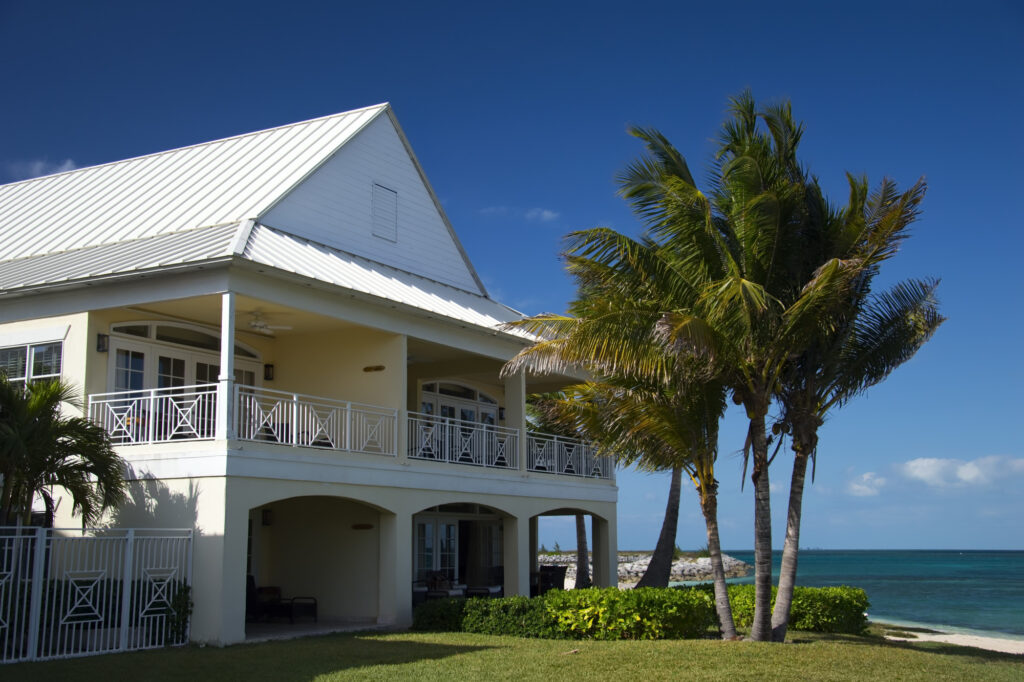
The Real Monthly Cost of Buying a Mandeville, Louisiana, Gulf Coast Home
Buying a home in Mandeville, Covington, Madisonville, Slidell, Greater New Orleans, or along the Mississippi Gulf Coast means looking beyond the list price. The mortgage matters, but so do insurance, property taxes, flood exposure, association fees, utilities, and the ongoing care a home may need in a warm, humid, storm-prone region.
For buyers who want neighborhood-level perspective while comparing those moving pieces, Mandeville real estate agent Allison Vencil offers residential, commercial, and investment property guidance through Allison Vencil’s Northshore-based real estate practice. Her website includes property searches, buyer resources, and market coverage spanning the Northshore, Greater New Orleans, and the Mississippi Gulf Coast, making local transaction details especially relevant when a home’s carrying costs may differ from one community to the next.
Why the List Price Does Not Tell the Whole Story
Two houses with the same price can create very different budgets. One may have a newer roof, a smaller lot, lower association dues, and more favorable insurance options. Another may need more exterior upkeep, sit closer to open water, have a pool or dock, or carry higher insurance costs because of its construction, elevation, or location.
A practical budget should include more than the loan payment. The Consumer Financial Protection Bureau recommends considering mortgage principal and interest, taxes, insurance, mortgage insurance when applicable, HOA fees, utilities, maintenance, and repairs when determining an affordable housing payment.
Start With the Upfront Cash Needed
Buyers often focus on the down payment, but the amount needed before and at closing can include several separate costs:
- Earnest money deposit
- Down payment
- Home inspection and specialty inspections
- Appraisal and survey, when required
- Title services and lender charges
- Prepaid homeowners, wind, or flood insurance
- Initial escrow deposits for taxes and insurance
Closing costs and cash to close are related but not identical. Closing costs generally refer to transaction and loan expenses. Cash to close is the final amount the buyer must bring or wire, which may also include the down payment, prepaid items, and escrow funding. Seller concessions, loan programs, contract terms, and the closing date can all affect that total.
A useful starting formula is:
Principal + Interest + Property Taxes + Homeowners Insurance + Flood Insurance + Mortgage Insurance + HOA Fees = Estimated Monthly Housing Cost
Then add a separate monthly amount for maintenance and future repairs. For example, two similarly priced homes may have identical principal-and-interest payments, yet the home with higher insurance premiums and HOA dues can cost more each month. The lower-priced home can also become the costlier choice if it needs immediate roof, drainage, HVAC, or exterior work.
Check Insurance Before Falling in Love With a Home
Request insurance estimates for the specific address before becoming deeply committed. Insurers may consider factors such as roof age and condition, building materials, storm-protection features, claims history, distance from water, elevation, and the home’s replacement cost. A quote is more useful than a broad online estimate because it reflects the actual property.
Standard homeowners insurance generally does not cover flood damage. Buyers should ask a licensed insurance professional which policies may be needed, including homeowners, wind, flood, and umbrella coverage when appropriate. This conversation should happen early enough that insurance affordability can be part of the buying decision.
Review Flood Risk and Elevation Details
A flood zone is not the same thing as a hurricane evacuation zone, and neither tells the full story about a particular yard’s drainage or a home’s finished-floor elevation. Flood maps identify mapped flood hazards, while evacuation zones relate to public safety planning during major storms. Local drainage, past water intrusion, grading, and nearby waterways still deserve attention.
The National Flood Insurance Program explains that flood zones and maps identify varying levels of risk, not a guarantee that a lower-risk property will never flood. Review these items during due diligence:
- Current flood-zone designation
- Elevation certificate, if available
- Flood insurance quote for the address
- Prior flood claims or water intrusion history
- Drainage, culverts, gutters, and stormwater concerns
- Raised utilities, flood openings, and mitigation features
Compare Taxes, HOA Costs, and Coastal Maintenance
A seller’s current tax bill is useful background, but it should not be treated as a guaranteed future bill. Ownership changes, exemptions, improvements, and the intended use of the property can affect taxes. Request a property-specific estimate from the relevant parish or county tax office, particularly when comparing a primary residence, second home, or investment property.
Also review HOA documents carefully when applicable. The fee may cover amenities, common-area maintenance, or certain insurance obligations, but buyers should also ask about reserves, maintenance responsibilities, rental restrictions, and potential special assessments.
Gulf Coast ownership can require regular planning for roof inspections, HVAC service, termite prevention, paint and siding care, gutter cleaning, tree work, and drainage maintenance. Homes with pools, generators, docks, seawalls, shutters, or boat lifts can add more specialized upkeep. A reserve fund does not predict every repair, but it gives routine wear and unexpected work a place in the budget.
Use a Seven-Step Home Cost Comparison
- Record the full purchase price and estimated loan terms.
- Estimate the down payment and total cash to close.
- Obtain insurance quotes for each specific property.
- Review flood maps, elevation information, and water history.
- Estimate taxes, HOA dues, utilities, and routine maintenance.
- Add a monthly repair reserve based on the inspection and home condition.
- Compare the final monthly cost against at least two other homes.
Common Questions Buyers Ask
Should insurance be checked before making an offer?
It is wise to investigate early. An address-specific quote can reveal a recurring expense that may affect the offer price, financing comfort level, or willingness to proceed.
Is a home outside a high-risk flood zone safe from flooding?
No property is entirely free from flood risk. Review the map designation alongside drainage patterns, elevation information, prior water history, and available insurance options.
How much should buyers set aside for repairs?
The right amount depends on the home’s age, systems, roof, lot, inspection findings, and exposure to weather. Use the inspection report to identify near-term projects, then maintain a reserve for future needs.
Final Checklist Before Making a Decision
- Mortgage estimate reviewed
- Insurance quote received
- Flood-zone and elevation details checked
- Property taxes estimated
- Inspection completed
- Roof and major systems reviewed
- HOA documents examined when applicable
- Repair reserve included
- Total monthly cost compared with other homes
Conclusion
The best Mandeville-area or Gulf Coast home is not necessarily the one with the lowest asking price. It is the home that fits the full budget after insurance, taxes, maintenance, flood considerations, HOA costs, and closing cash are included. A careful side-by-side comparison can turn a complicated decision into a clearer, more confident one.